By Shaf Din
Understanding the Last-Mile Marketing Challenge
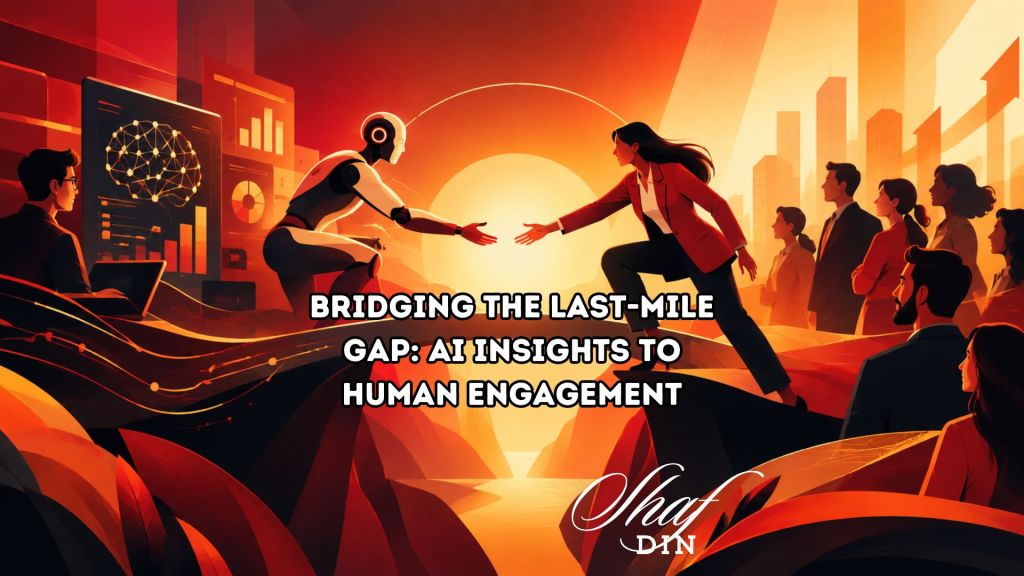
In the fast-paced world of digital marketing, the challenge is clear: how do we translate sophisticated customer data and AI-generated insights into meaningful, real-world conversations and experiences? This question is central to businesses aiming to leverage cutting-edge technologies, yet many find themselves struggling with the last-mile marketing gap. The gap represents the distance between having the data and insights and putting them into practice effectively. Understanding this gap is crucial for brands aspiring to connect with their audience in a relevant and impactful way.
The Role of AI in Modern Marketing
Artificial Intelligence has revolutionised the marketing landscape. Here are some critical aspects regarding AI’s impact:
- Data Analysis: AI can process vast amounts of data at speeds and accuracy levels that humans cannot match. This enables marketers to derive insights related to customer behaviour, preferences, and trends efficiently.
- Personalisation: By harnessing AI, businesses can create personalised experiences for users at scale, addressing the individual needs and interests of each customer.
- Predictive Analytics: AI can forecast future behaviours based on historical data, allowing brands to make proactive marketing decisions.
Risks of Over-Reliance on AI
While AI offers numerous advantages, over-reliance can lead to challenges:
- Loss of Human Touch: Excessive dependence on AI can create a disconnect between brands and consumers.
- Misinterpretation of Data: AI-generated insights, if not interpreted correctly, can lead to misguided marketing strategies.
Translating Insights into Action
The real challenge lies in translating AI insights into action. Here are strategies to bridge the last-mile marketing gap:
1. Cultivating a Data-Driven Culture
For teams to successfully utilise AI insights, a culture that embraces data-driven decision-making is paramount. This necessitates training and empowering every member of the team, ensuring that they can interpret data effectively and apply it to their roles.
2. Fostering Cross-Department Collaboration
Marketing, sales, product development, and customer service must work collaboratively. Here’s how:
- Regularly share insights across departments.
- Encourage brainstorming sessions to generate ideas on implementing AI insights.
3. Engaging in Continuous Learning
The digital landscape is in constant flux. Staying updated with evolving technologies and market trends is vital.
Real-World Applications of AI Insights
Implementing AI-driven insights can yield transformative results. Here are some real-world applications:
1. Enhanced Customer Targeting
AI insights allow businesses to identify and reach their ideal customers through targeted campaigns, which reduces wasted spend and increases ROI.
2. Improved Customer Experiences
By personalising interactions based on AI data, brands can create relevant touchpoints that resonate with each customer uniquely.
3. Predictive Customer Engagement
AI analytics can forecast customer needs, enabling proactive engagement strategies that keep customers satisfied and loyal.
Conclusion: Bridging the Last-Mile Gap
In conclusion, the challenge of turning AI insights into human action is increasingly significant as businesses strive to connect meaningfully with their customers. By cultivating a data-driven culture, fostering cross-department collaboration, and engaging in continuous learning, companies can successfully bridge this last-mile marketing gap, ensuring that they not only gather insights but also translate them into actions that resonate with their audience.
#AIInsights #LastMileMarketing #DataDriven #DigitalMarketing #CustomerExperience #MarketingStrategy #BusinessConsultant #ShafDin #Personalisation #PredictiveAnalytics #CustomerEngagement



Leave a Reply