By Shaf Din
Introduction
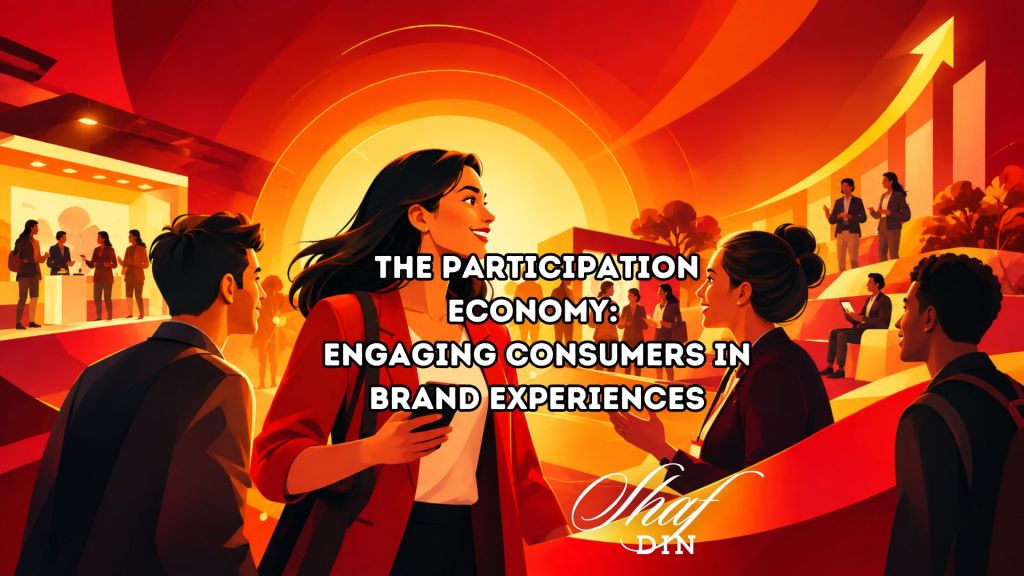
In today’s rapidly evolving marketplace, a significant transformation is taking place a shift towards what I term the Participation Economy. Consumers are no longer content to merely observe; they crave participation, engagement, and memorable experiences with the brands they choose. This blog explores why this shift is occurring and how brands can adapt to meet the evolving demands of their audiences.
The Rise of the Participation Economy
Over the last decade, we have witnessed a seismic shift in consumer behaviour. With the rise of social media and digital platforms, consumers now have a voice that they are keen to use. This is not merely about feedback; it is about co-creating experiences. Brands that harness this potential will not only enhance their connections with their customers but will also drive loyalty and long-term success.
Consumer Expectations Have Changed
Gone are the days when consumers passively consumed content. Today’s consumers expect:
- Interactive and immersive experiences.
- High levels of personalization in communication.
- Opportunities to engage in dialogue with brands.
Social Media as a Catalyst
Social platforms have become the new marketplace, and consumers want to be actively involved. Here are some ways social media is driving participation:
- Brand Transparency: Consumers demand authenticity, expecting brands to showcase their values and practices.
- Crowdsourced Ideas: Many brands are now inviting customers to contribute ideas, which fosters a sense of ownership.
- Community Building: Brands that create and nurture communities enable deeper relationships with their customers.
How Brands Can Embrace the Participation Economy
To successfully navigate the Participation Economy, brands must rethink their strategies. Here are essential steps to cultivate a participatory culture:
1. Encourage Consumer Feedback
Brands should actively seek and implement feedback. This shows consumers that their opinions matter.
2. Create Interactive Content
Content should encourage participation through quizzes, polls, and user-generated content, making consumers a part of the narrative.
3. Foster Community Engagement
Utilising online forums or social media groups can create spaces for consumers to connect with each other and the brand itself.
The Impact on Brand Loyalty
Brands that engage in meaningful interactions can build a loyal customer base. When consumers feel valued and included, they are more likely to return. The Participatory Experience is not a one-time engagement but part of a continuous relationship.
Case Studies
Several brands have successfully navigated the Participation Economy:
- Lego: The company has harnessed LEGO Ideas, a platform that allows fans to propose and vote on new sets.
- Coca-Cola: Their “Share a Coke” campaign encouraged customers to engage personally by finding cans with their names.
Conclusion
The Participation Economy is here to stay, and brands must adapt. In an era where consumers seek to be part of the brand experience, companies that fail to engage will find themselves at a distinct disadvantage. By embracing participation, brands not only respond to customer needs but also foster long-term loyalty and community.
Hashtags
#ParticipationEconomy #ConsumerEngagement #BrandExperience #CommunityBuilding #InteractiveMarketing #BrandLoyalty #SocialMediaStrategy #UserGeneratedContent #MarketingTrends #shafdin




Leave a comment